Paving Calculators

Asphalt Calculators by Project Type

A driveway, a parking lot, and a pothole patch don't need asphalt the same way. Each project has its own surface area, thickness, traffic load, and material needs.

The calculators below are built around real paving scenarios from a residential driveway to a commercial parking lot to a quick patch repair. Pick the one that matches your job before you estimate material.

Back to Asphalt Calculator
Driveways Parking Lots Patching Area

Choose the Right Calculator for Your Project
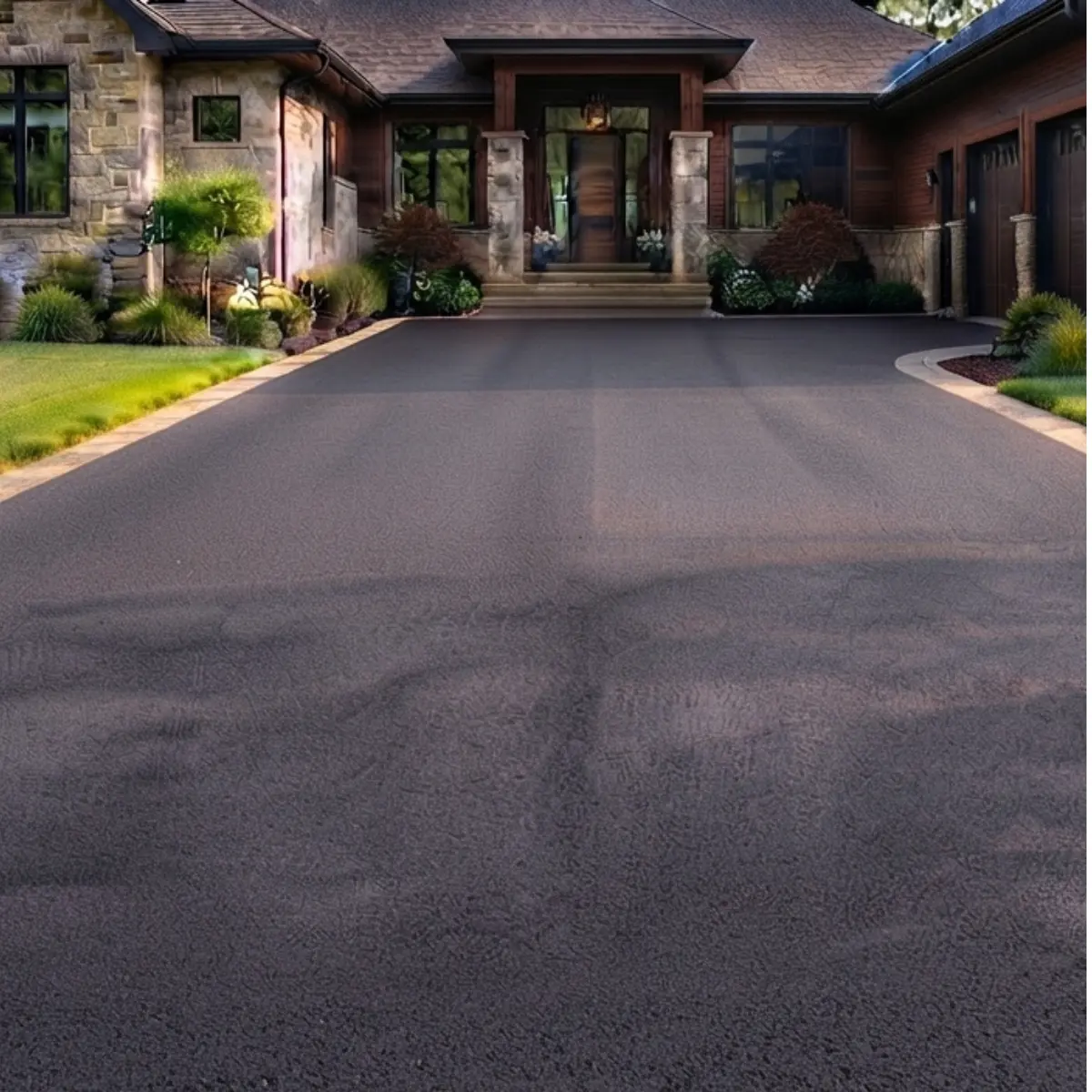
Residential Asphalt Driveway Residential

Asphalt Driveway Calculator

Estimate asphalt for residential driveways and small private paving jobs. Built for a standard 2–3 inch layer.

Open Calculator →
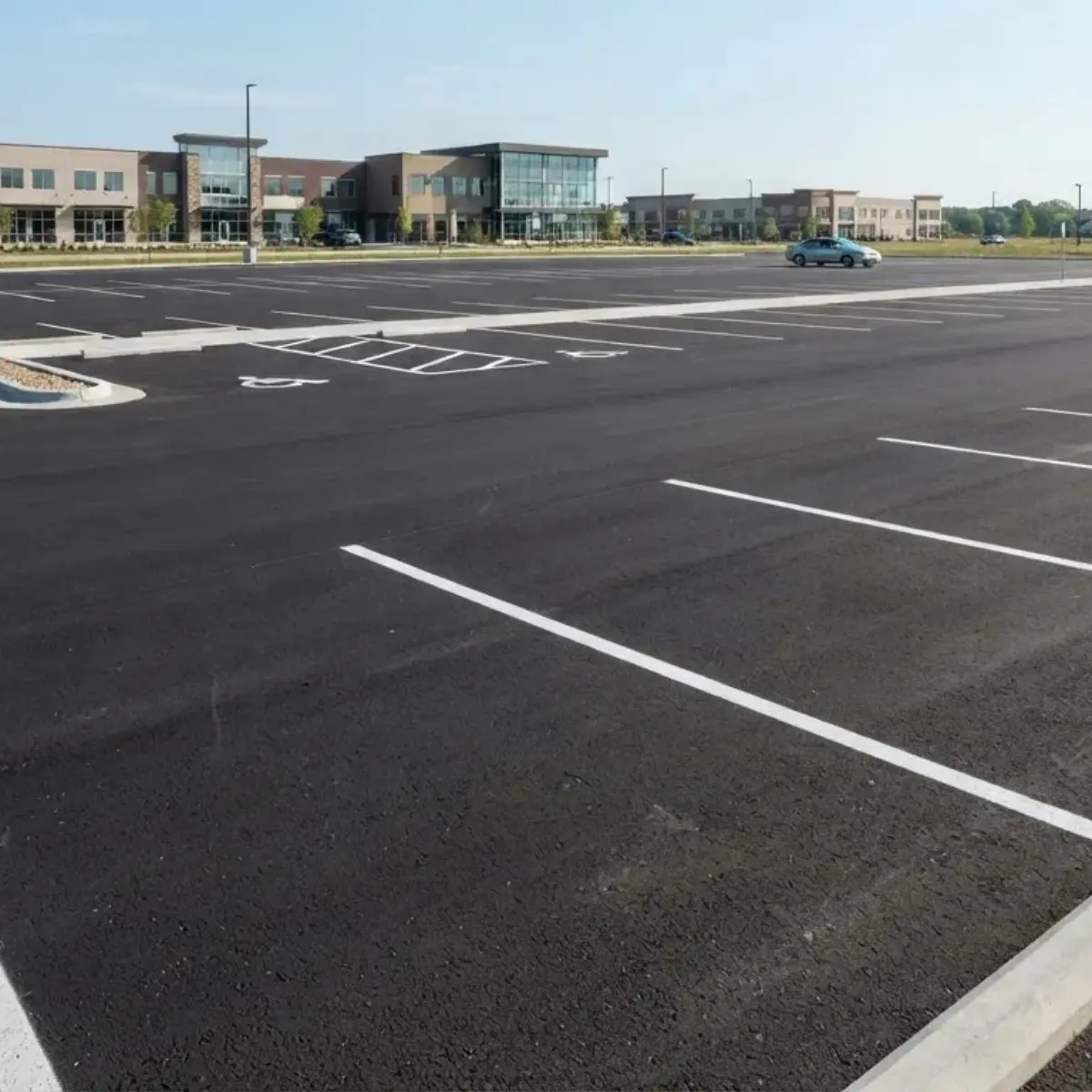
Commercial Parking Lot Paving Commercial

Parking Lot Asphalt Calculator

Estimate asphalt for commercial parking lots and larger paved areas. Built for heavier traffic loads and thicker layers.

Open Calculator →
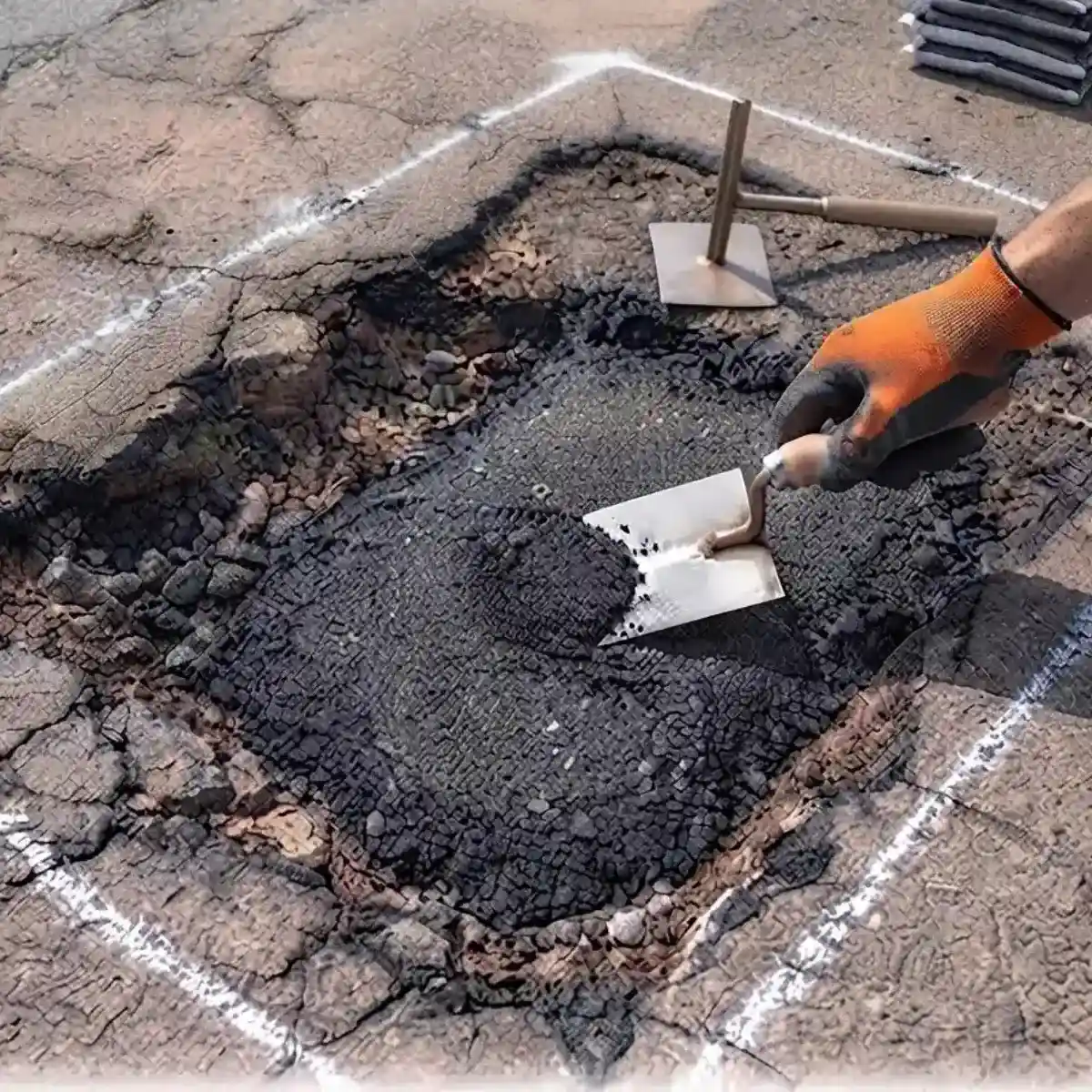
Pothole Patch and Repair Repairs

Pothole & Patch Calculator

Estimate small quantities for potholes, cracks, and spot repairs. Works for both hot mix and cold patch material.

Open Calculator →
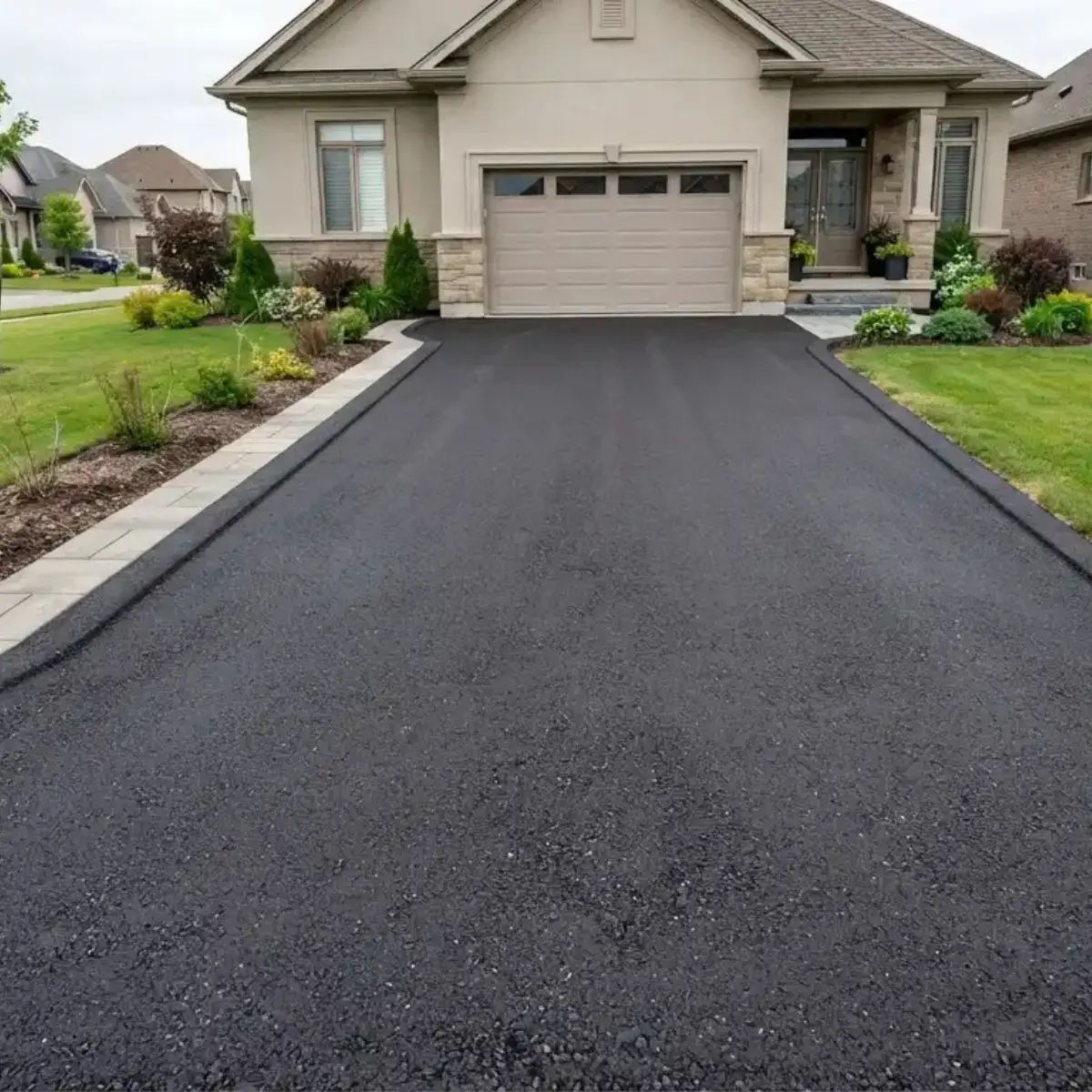
Curved and Complex Asphalt Layout Custom Shapes

Asphalt Area Calculator

Estimate asphalt for curved, L-shaped, or multi-section layouts. Breaks complex shapes into simple sections for a more accurate total.

Open Calculator →

How These Calculators Work

Every calculator on this page follows the same four-step process to turn your dimensions into the tonnage figure a supplier will quote:

Area
→
Volume
→
Weight
→
Tonnage
01

Find the Area

Calculate base coverage by multiplying length by width measured in feet.

Length (ft) × Width (ft) = Total area (sq ft)
02

Find the Volume

Thickness is usually given in inches, so convert it to feet first before multiplying.

Area (sq ft) × Thickness (ft) = Volume (cu ft)
03

Convert to Weight

Multiply volume by the hot-mix asphalt standard density of 145 lb per cubic foot.

Volume (cu ft) × 145 lb/ft³ = Weight (lb)
04

Convert to Tons

Suppliers price and deliver asphalt by the short ton, so divide pounds by 2,000.

Weight (lb) ÷ 2,000 = Tons of asphalt

Worked Example: Parking Lot Section

A 50 ft × 100 ft section paved at 4 inches thick:

  • Area: 50 × 100 = 5,000 sq ft
  • Thickness in feet: 4 ÷ 12 = 0.33 ft
  • Volume: 5,000 × 0.33 = 1,667 cu ft
  • Weight: 1,667 × 145 = 241,667 lb
  • Base Tons: 241,667 ÷ 2,000 = 120.8 tons

Recommended Order

127 – 133 Tons

Includes a 5–10% waste and compaction allowance.

Frequently Asked Questions

Driveways typically need 2–3 inches. Parking lots need more — usually 4–8 inches total — to handle heavier traffic.
Rolling compacts loose asphalt by about 20–25%, so the tons you order are always more than the finished depth. See our Compaction Factor guide.
About 80–90 sq ft at 2", 55–60 sq ft at 3", and 40–45 sq ft at 4" — coverage drops as thickness increases.
Break the layout into simple shapes, calculate each one, then add them together before applying thickness and density.
Yes, for standard hot-mix asphalt. Other mixes like porous or recycled asphalt vary — see our Types of Asphalt guide.
Instant Tonnage Estimates

Get Your Asphalt Estimate Instantly

Pick the calculator above that matches your project, and you'll have your tonnage in seconds. Knowing your numbers before you call a supplier means easier price comparisons, smoother delivery planning, and fewer surprises on the job.